Web3 promises to transform digital assets, democratize finance, and empower people. Yet plenty of challenges have been holding it back from becoming mainstream. Strong user interfaces, broken registration processes, and restricted access for non-technical users all have served to create high barriers to entry.
The integration of The Open Network (TON) and Telegram addresses all these problems by introducing Web3 capabilities directly into the user-friendly messaging app. This article provides a technical and detailed summary of how TON integration in Telegram addresses key implementation problems. By analyzing such solutions, the discussion aims to describe the benefits for developers and users in 2025.
Why TON Matters for Telegram
Open Network (TON) was a blockchain project founded by Telegram in 2018 for creating a scalable and accessible platform for decentralized applications and digital assets. Lofty engineering objectives, including a new sharding engine and an emphasis on high throughput, characterized the early development.
Today, TON is a secure blockchain platform designed for mass use, featuring integrated messaging with added convenience.
Why TON Was Chosen Over Other Blockchains
Telegram’s selection of TON over other well-known blockchains such as Ethereum, Solana, or Avalanche was motivated by multiple technical and practical reasons:
- Native Compatibility with Telegram Infrastructure: TON is designed with profound native integration in mind to be utilized with Telegram, allowing features such as in-built payments and mini-apps based on the instant messaging app.
- Fast Finality and Low Transaction Fees: Unlike Ethereum, which often experiences congestion and high transaction fees, the Open Network provides quick transaction confirmation and low costs.
- High Scalability: This scalability enables Telegram to support its enormous global user base, whereas other alternatives, such as Solana or Avalanche, require additional bridge solutions to achieve similar performance.
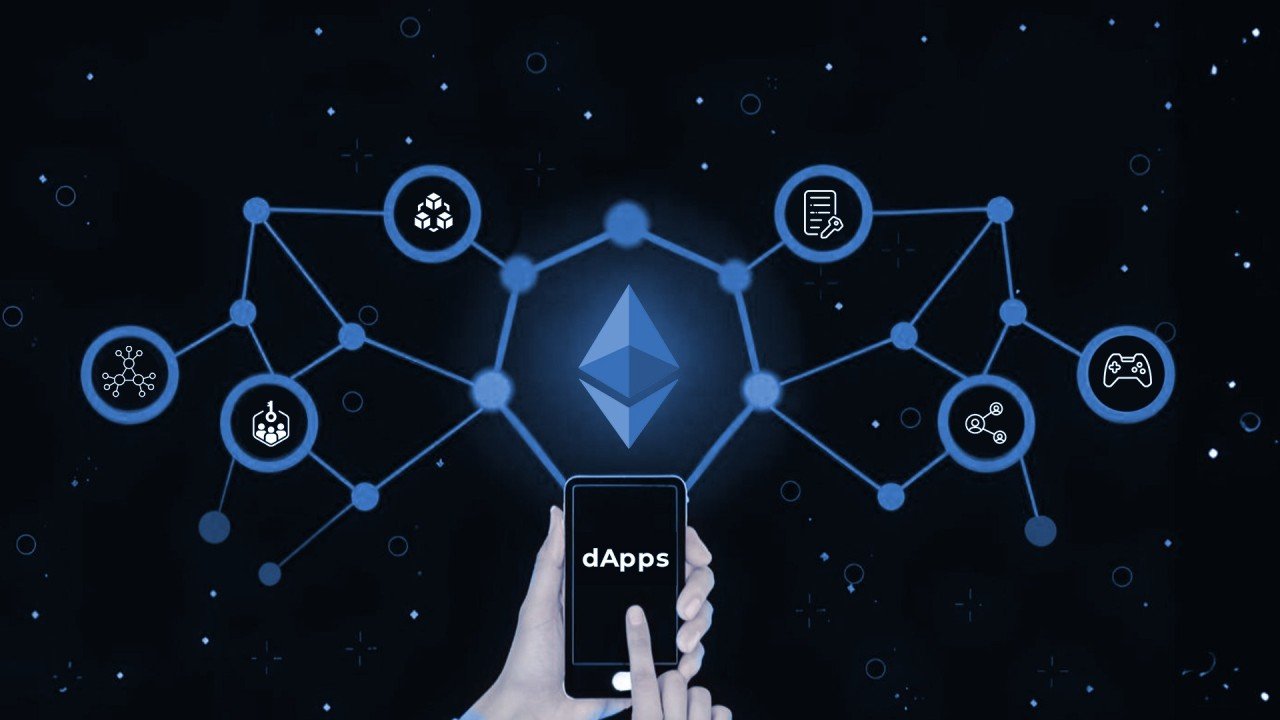
- Streamlined User Onboarding: Registration becomes effortless, allowing users to activate wallets and access blockchain functions with minimal disruption. A case in point is Telegram, through which users can interact with dApps and manage digital assets using the TON wallet.
Key Web3 Features Enabled by TON in Telegram
With the integration of The Open Network (TON) into Telegram, the instant messenger is transforming into a full-fledged Web3 ecosystem. The next section will outline the primary features of TON for Telegram, as well as the innovative solutions it provides to common problems and the new opportunities it presents to people worldwide.
TON Wallet Integration and User Access
The wallet is seamlessly integrated into the chat interface, making it easy for users to send and receive TONCOIN and other cryptocurrencies without the need for additional apps. For example, a user can tip or split a bill in a group chat by sending tokens safely and easily.
Mini Apps and the Embedded Web3 Layer
Mini-apps may span from DeFi protocols, lending and trading decentralized networks, to NFT marketplaces and crypto games. For example, a user may join a Telegram group for a blockchain game, visit the mini-app within the game, and sell or buy in-game assets or NFTs directly within the chat.
Seamless Onboarding Without Seed Phrases
Many Web3 wallets require managing multiple initial seed phrases, which can be a significant hurdle.
Telegram and TON eliminate this hurdle by offering wallets that don’t require seed phrases and support social login, allowing you to access blockchain capabilities with the authentication you’re accustomed to. For example, a new user can set up a wallet and start using dApps in seconds, without needing to manage cryptographic keys.
Low-Cost Transactions Using TONCOIN
Transaction fees on the Open Network are currently a fraction of a cent, making them highly competitive with significantly higher fees on Ethereum and even Solana during periods of network congestion. For instance, users can buy stickers or premium content on a Telegram channel at a very low transaction fee.
Cross-Border Payments within Telegram Chats
TON’s integration has made it possible to send cryptocurrency anywhere in the world as simply as sending a Telegram message. You are now able to send money instantly to your relatives, freelancers, or colleagues abroad without any additional waiting time or fees from traditional banks.
Smart Contract-Driven Payment Automation
TON’s smart contract functionality enables programmatic money transfers and autonomous payments in Telegram mini-apps, opening opportunities for seamless partnership initiatives. For example, a mini-app with digital content can automatically pay creators upon user viewing of premium content, and group subscriptions are automated and renewed without the need for intermediaries.
TON’s Technical Architecture
We provide a technical overview of the major architectural elements of TON, highlighting how they enable sustainable scale, efficiently run smart contracts, and create a user-friendly decentralized space.
- Masterchain and Workchains
TON’s architecture is based on a single Masterchain that orchestrates a group of parallel Workchains. The Masterchain provides a lockstep for all Workchains, ensuring safe and atomic cross-chain transactions and enabling the entire network to scale horizontally. For instance, one can set up a single Workchain for DeFi apps and another one to support NFT marketplaces.
- Dynamic Sharding
One of the features of TON is its new and dynamic infinite sharding mechanism. By allowing the network to scale elastically, the mechanism distributes an enormous number of transactions across the shards in situations of heavy load. It can consolidate them in situations of low traffic.
- TON Virtual Machine (TVM)
The TON virtual machine is an online environment for executing smart contracts. It’s built with a focus on the high safety, efficiency, and conciseness requirements of the FunC and Tact programming languages. For example, you can offer advanced DeFi protocols or gaming experiences as mini-apps without worrying that the TVM will execute your contracts securely and efficiently.
- TON DNS
This system assigns human-readable names to smart contracts, wallets, and other .ton domain services. With this, users can refer to blockchain resources by known names rather than by cryptographic addresses, such as sending tokens.
- TON Storage
For example, an NFT trading mini-app can store images and metadata in TON Storage, thereby protecting the assets from unauthorized users. Since the network will handle both public and private data, it would be suitable for a wide range of decentralized applications.
- Validator Network and PoS Consensus
The configuration maintains a highly secure, decentralized, and speedy network, with a block time measured in seconds. Unlike Ethereum 2’s beacon chain or Solana’s validator set, TON’s PoS is optimized for the fast finality of transactions and optimal resource usage, which is ideal for a titan-scale messaging platform like Telegram.
Security and Privacy in the TON-Telegram Stack
End-to-End Flow of Data in Mini Apps
“Personally identifiable data, including wallet addresses and transaction history, is sent through encrypted channels from Telegram to the mini-app backend. This ensures users stay connected to decentralized platforms while keeping full control of their assets and safeguarding sensitive information.
Privacy Features vs Traditional Web2 Apps
The platform offers a considerable privacy benefit over conventional Web 2.0 applications.
Users don’t need to share their email addresses, passwords, or other personal data when interacting with dApps or Mini-Apps. Instead, they sign in through Telegram-based identification and authentication. This method maintains the privacy of PII and prevents unauthorized access by third-party entities.
Open-Source Audits and Security Roadmap
The most fundamental features, including the Telegram Mini App API, TON smart contracts, and TON Virtual Machine (TVM), are exposed, allowing anyone to test and experiment with them at their convenience. Some autonomous cybersecurity companies constantly scan the Telegram system.
Why Builders Are Shifting to TON
The following are the key reasons why developers are increasingly choosing TON as their preferred platform.
- Lower DevOps Overhead with Telegram Infrastructure: Developers building TON-based applications gain access to Telegram’s mature, world-scale infrastructure, which includes pre-existing support for user authentication, instant messaging, and notifications. As a result, teams no longer need to maintain their own server space, and this significantly reduces operational overhead.
- Less Frontend, More Smart Logic: By merging TON with Telegram, developers can cut interface build time since much of the UI is already built into the Telegram app. The result is faster development sprints and less grief dealing with cross-platform interfaces.
- Real Feedback Loops with Telegram Communities: Built-in Telegram functionality enables developers to receive immediate user feedback and activity. An open communication channel facilitates quicker iteration, feature planning, and bug fixing based on actual demands from the real world.
The Future of Web3 Inside Telegram
The inclusion of TON within Telegram is a significant step towards Web3 becoming more mainstream, scalable, and accessible to the world’s users. The development team can have fewer engineering burdens, quicker feedback cycles, and the opportunity to focus on designing creative, intelligent contracts.
Users, in turn, receive security-oriented online services that protect their privacy within the familiar Telegram interface, all from the comfort of their own hands. As the technology behind TON advances, blockchains that interface with instant messengers may completely transform the way we communicate, share information, and build online communities.